Critical thinking
Weighing evidence, separating a claim from its source, and staying with a question long enough to answer it well.
Erasmus+ KA152-YOU Youth Exchange
To the point brings young people from Greece, Romania and Germany together to question assumptions, understand the forces behind radicalisation and turn critical thinking into democratic action.
Explore the project Who to contact
22 people 3 countries 8 activity days
Eighteen young participants, three group leaders and one organiser and facilitator. Twenty-two people in total, from three countries, for eight days of activities in Athens.
Greece 8
Mind Matters Club, applicant and host
Romania 7
Asociatia Institutul pentru Creatie si Dezvoltare, partner and sending organisation
Germany 7
Euroactive Germany, partner and sending organisation
To the point is a prevention project. It works against violent extremism through education, inclusion, participation and dialogue, never through suspicion. Wanting deep change is not the problem: disagreement, protest and demands for reform are how democracies improve. The line this project examines is the point at which someone begins to accept, justify or use violence against other people.
Online spaces can repeatedly confirm what someone already believes and quietly reduce how often another perspective appears. Certainty grows while the number of voices shrinks, and that feels like being well informed.
Emotionally charged or misleading content travels faster than careful explanation. It shapes how young people understand complex social issues, and it is often designed to do exactly that.
Discrimination, unmet needs and social or economic inequality intensify feelings of injustice and alienation. People who feel written off are more open to anyone offering belonging and a simple explanation, whoever that is.
Young people need practical tools to question assumptions, listen across differences and act democratically, without reducing every issue to two sides shouting.
Three objectives carry the eight days. Everything in the programme is there to serve one of them.
To develop objective, informed, evidence-based and nuanced critical thinking: weighing sources, noticing our own assumptions, and staying with complexity instead of collapsing it into a slogan.
To increase understanding of the social, economic, cultural, political and educational mechanisms that can feed radicalisation and extremism, and of how individual choices meet structural conditions.
To strengthen young people's mobilisation for democratic participation, social inclusion, solidarity and the prevention of violence, starting in their own communities the week after they fly home.
Radical, even uncomfortable demands for change are part of democratic life. Violent extremism is something else: the acceptance or use of violence to impose a position on others. The project keeps the two apart, deliberately and repeatedly.
Discussing extremism without discussing who is excluded covers half the subject. We look at unequal starting points, at advantages that are hard to see from the inside, and at what fair participation would actually require.
Not cynicism, and not doubt worn as a style. Critical consciousness is the practice of reading a situation, asking whose interests it serves, and deciding what to do about it.
Voting, organising, volunteering, speaking up, building something with other people. Democratic participation is a set of skills, and skills can be learned.
Eleven threads run through the week. They are not lectures. Each one is opened through non-formal activities, discussion and things participants make together.
Weighing evidence, separating a claim from its source, and staying with a question long enough to answer it well.
Reading how news, feeds and campaigns are built, and asking who benefits from the way a story is framed.
Noticing the shortcuts our own minds take, and testing the things we treat as obvious.
How people move towards accepting violence, what the warning signs look like, and where prevention actually works.
Unmet needs, unequal access, and the grievances they produce over time.
Where labels come from, what they cost the people who carry them, and how to interrupt them.
Talking across three countries and many backgrounds without flattening the differences into politeness.
Listening in order to understand rather than in order to reply. A trainable skill, not a personality trait.
The practical routes young people already have to influence the decisions that affect them.
Handling disagreement without violence, and treating conflict as information rather than as a threat.
How the programme works, and how to name, document and use what you have learned.
The exchange is built as thematic phases, not as a timetable. Methods are non-formal, participatory and participant-led: young people facilitate part of the activities themselves, and the order adapts to the group as the week goes on. Activities run across the eight days from 3 to 10 December 2026.
Activity names are given in English, the working language of the exchange.
Everything happens inside a few hundred metres of Makrigianni, under the south slope of the Acropolis: you sleep, work and eat within a short walk.
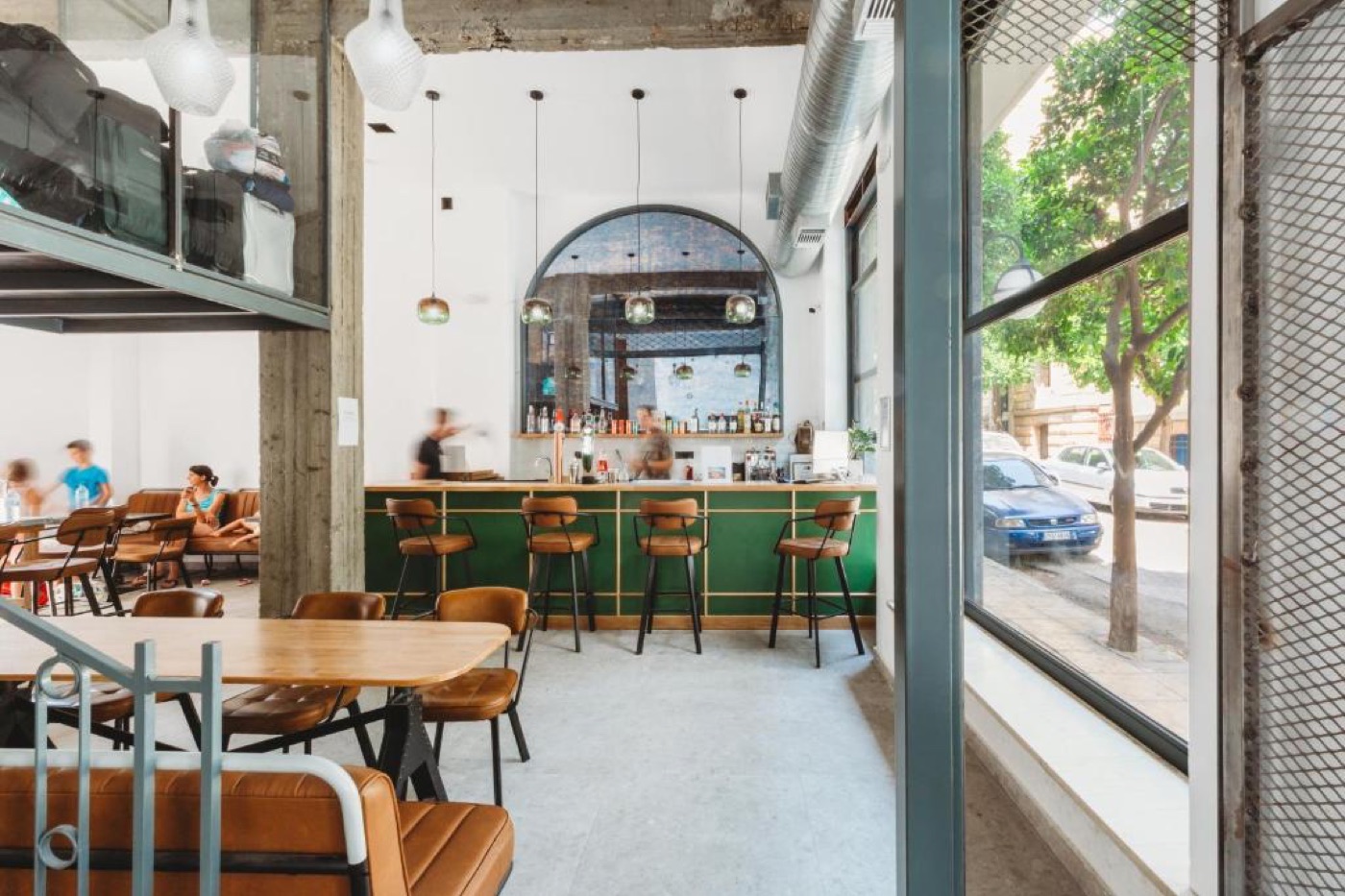
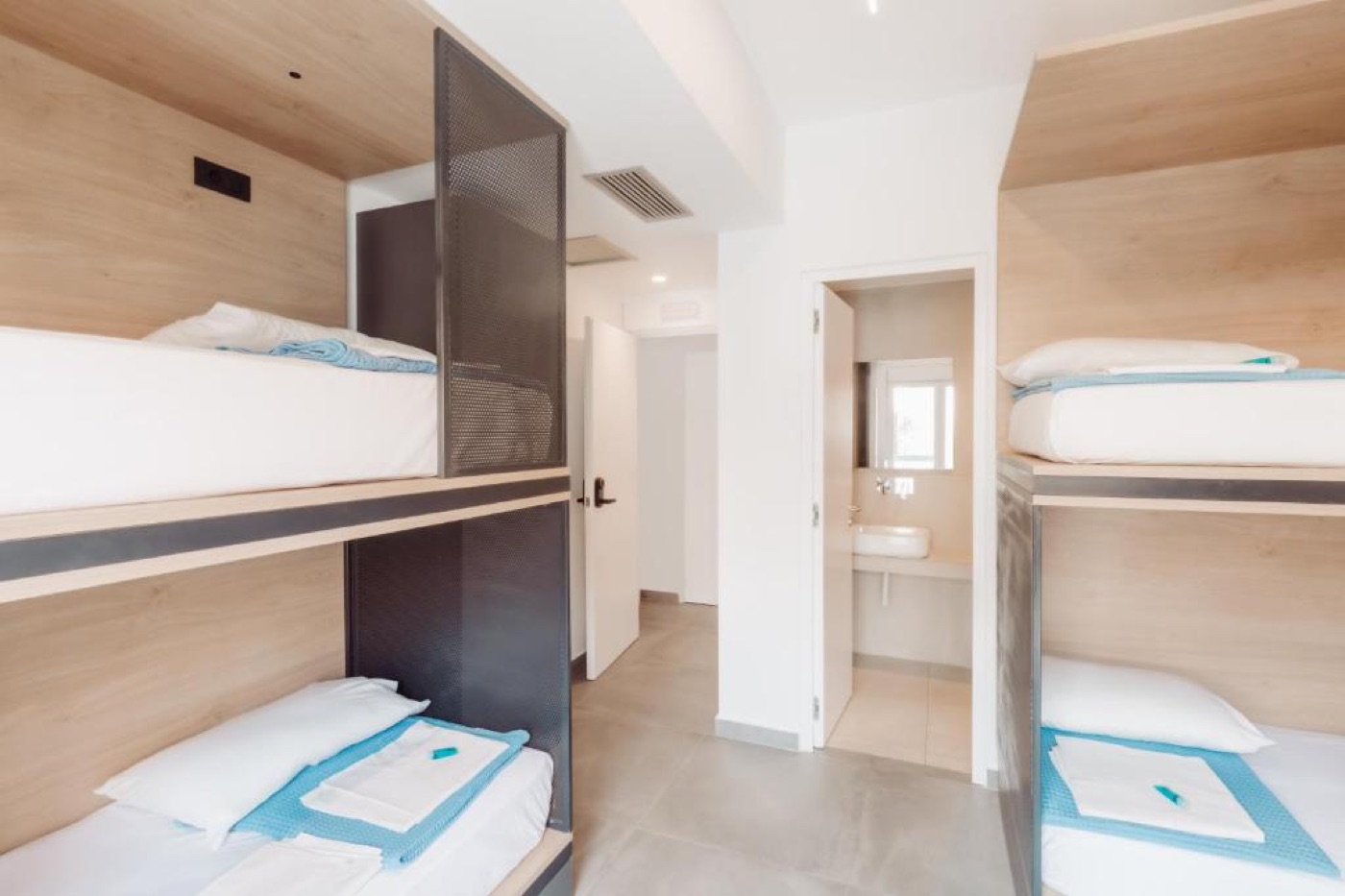
Athens Backpackers
12 Makri Street, Makrigianni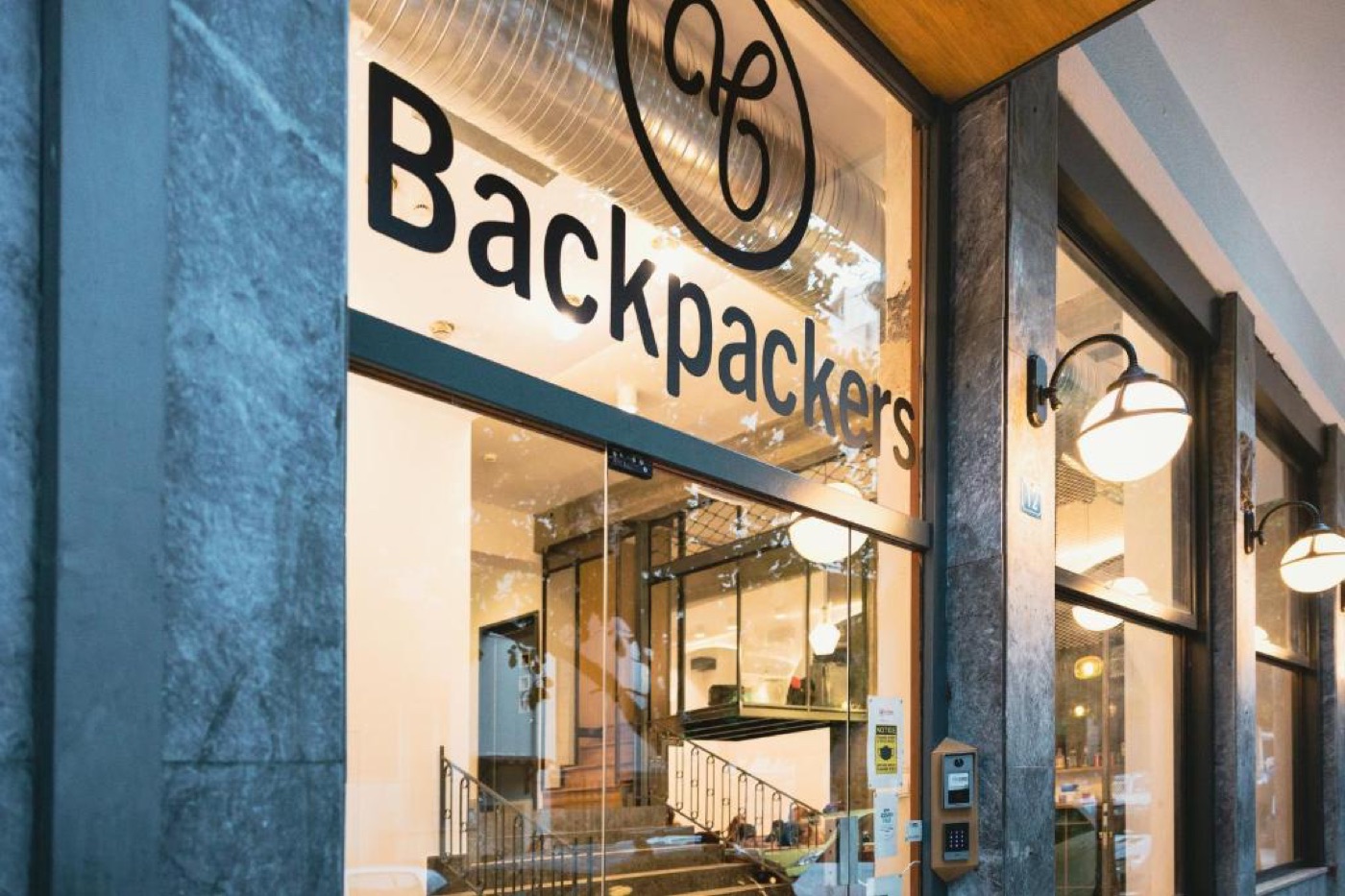
Athens International Airport is connected to the accommodation by one metro change or by the airport bus. Both take you to within a few minutes' walk of Makri Street.
Athens International Airport, public transport OASA, Athens public transport Accommodation on Google Maps
Fares and timetables for public transport can change. Check them again shortly before you travel.
| Country | Maximum amount | Travel type |
|---|---|---|
| Greece | €56 | Green travel |
| Romania | €417 | Green travel |
| Germany | €395 | Standard travel reimbursement |
Who the exchange is for, what each national group prepares before flying, and what to put in your bag.
Tick things off as you pack. The list is saved in your own browser only. Nothing is sent anywhere, and no one else can see it.
Three organisations, one in each country. Each one selects and prepares its own national group and stays responsible for it throughout the project.
Greece

Mind Matters
Club
Applicant and host organisation
Romania

Asociatia
Institutul pentru
Creatie si Dezvoltare
Partner and sending organisation
Germany

Euroactive
Germany
Partner and sending organisation
The things people ask before applying, answered properly.
A Youth Exchange is a short international project funded by Erasmus+. Groups of young people from different countries meet for a few days and learn together through non-formal education rather than through lectures: activities, discussion, teamwork and things they create. Travel, accommodation and meals are funded by the programme.
Critical thinking, media literacy, inclusion and the prevention of violent extremism. Eighteen young people from Greece, Romania and Germany spend eight days in Athens examining how misinformation, exclusion and polarisation actually work, and what democratic participation offers instead.
Anyone aged 18 to 30 who lives in Greece, Romania or Germany, is interested in the topic and can take part in the whole mobility. Applications go through the partner organisation in your country, which selects its own national group.
No. Newcomers are welcome and are given priority, together with young people with fewer opportunities, who also receive the support they need to take part.
Accommodation, meals and the official activities are covered for the official project period. Travel is reimbursed up to the maximum for your country, against an approved itinerary and the supporting documents.
No. There is no participation fee.
Only after your sending organisation has approved your itinerary and its price in writing. Tickets bought before that approval may not be reimbursed in full.
You book the approved itinerary, travel, and keep every ticket, invoice, receipt, payment confirmation and boarding pass. After the exchange, once your documents are complete, your sending organisation reimburses you up to the maximum for your country: €56 for Greece with green travel, €417 for Romania with green travel, and €395 for Germany as standard travel reimbursement.
Travel where the main part of the journey uses low-emission transport instead of flying: a train, a coach, or a car shared with other participants. Erasmus+ supports it with its own rate, and it needs the same prior approval and supporting documents as any other itinerary.
At Athens Backpackers, 12 Makri Street, Makrigianni, 11742 Athens, next to Acropoli metro station and about four minutes away on foot. Room allocation is confirmed with participants once the group is complete.
In a workshop space of roughly 100 m², about six minutes on foot from the accommodation, equipped for interactive learning, teamwork, presentations and creative production. The exact address is shared with selected participants before arrival.
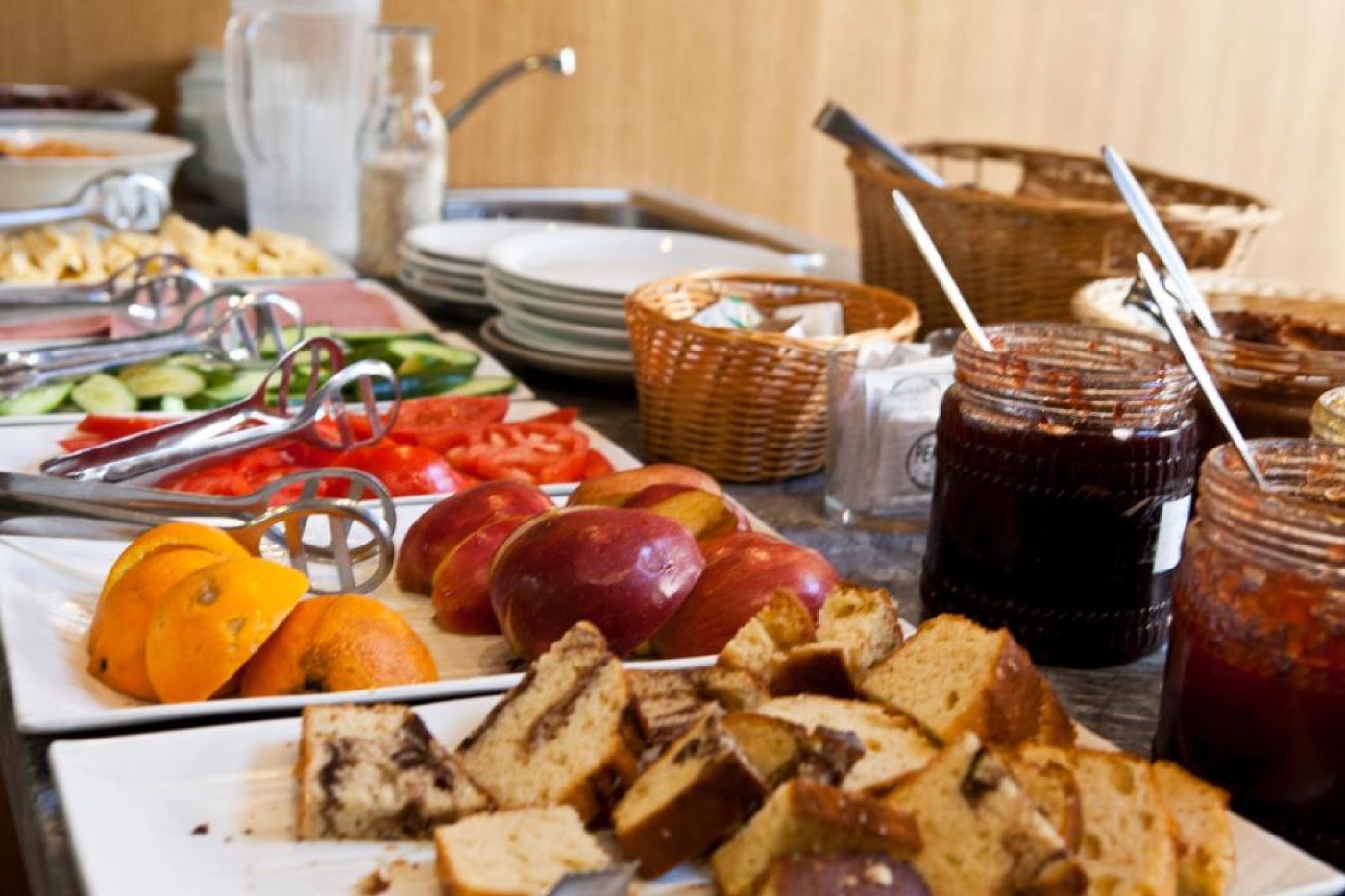
Breakfast every morning at the accommodation. Lunch and dinner in small local restaurants in central Athens, with a range of Greek dishes rather than the same menu repeated.
Yes, where they are declared in time. Dietary needs and allergies are collected privately after selection.
English. Perfect English is not required: the activities are designed so that people at different levels can take part, and in practice the group helps each other constantly.
See the packing list in section 08: identity documents, insurance, comfortable shoes, something for rain, your charger and power bank, any personal medication, and materials for your intercultural evening.
Yes. All 22 people receive a Youthpass certificate on completing the learning process: 18 young participants, 3 group leaders and 1 organiser and facilitator.
Youthpass is the Erasmus+ tool for recognising non-formal learning. It describes the project and, more importantly, what you did and what you learned, in the language of the European key competences. You write your own part of it, with support during the exchange.
No. Full participation in all activity days from 3 to 10 December 2026 is required. The official arrival day is 2 December and the official departure day is 11 December. There is no arrival after activities begin and no departure before they finish.
You may request an itinerary with up to two extra days before or after the project, and every itinerary needs prior approval. Accommodation, meals, local transport and personal costs for those extra days are yours to pay, and reimbursement still stays within your country's approved limit.
Each partner selects its own national group, weighing motivation, interest in the topic, availability for the whole period, what you could contribute, inclusion, and the balance of the group as a whole.
31 October 2026, at 23:59 Athens time.
Write to the partner organisation in your country and ask for the application. Their email addresses are in section 09, and the deadline is 31 October 2026.
The partner organisation in your country: Mind Matters Club in Greece, Asociatia Institutul pentru Creatie si Dezvoltare in Romania, and Euroactive Germany in Germany. Their email addresses are in section 09.
The exchange has not taken place yet. Everything below is planned: what the group intends to produce, and what the project is designed to change. Real videos, photographs, infographics and testimonials will appear here afterwards.
This area is reserved for the finished work: the six videos, the photographs, the infographics and the testimonials, added here as they are produced. Nothing needs to be redesigned to publish them.